REVIEW · NEW ORLEANS
New Orleans: Hands-on Cajun Roux Cooking Class
Book on GetYourGuide →Operated by The Mardi Gras School of Cooking · Bookable on GetYourGuide
Roux gets real fast in the French Quarter. This hands-on Cajun and Creole cooking class is built for real technique, not just watching, with a small group limited to 10. You’ll learn pro methods and seasoning secrets while making chicken and andouille sausage gumbo, shrimp etouffee, and bananas foster, plus you’ll have complimentary wine, beer, sodas, and water. I love the hands-on format, and I love how the instructors keep it upbeat and personal, with chefs like Raymond, Jason, and Mark showing up in past classes. One drawback to consider: this is a cooking class, not a food tour, so you should be ready to actively prep, stir, and stand at the counter for the full 3 hours.
You meet on the ground level in the French Quarter at Suite 101, which makes it easy to pair with an evening of walking and snack stops outside class. The teaching is in English and designed to get everyone hands-on, with instruction time paced around each dish and key cooking step. I also like that the class starts with getting your kitchen basics set—think mise en place—so the cooking part feels more controlled and less chaotic.
The biggest culinary theme here is roux—you’ll make a dark roux for the gumbo and a light roux for the shrimp etouffee, then finish with a bananas foster dessert you’re taught in a clear, repeatable way. If you’re the type who enjoys flavor-building and learning why steps matter, this is a fun way to bring home Louisiana know-how.
In This Review
- Key Things I’d Prioritize in This Class
- French Quarter Start: Where You Begin at Suite 101
- Small-Group Setup: What the Class Feels Like With Up to 10 People
- The Cajun Holy Trinity Moment: Why Prep Time Sets Up the Whole Meal
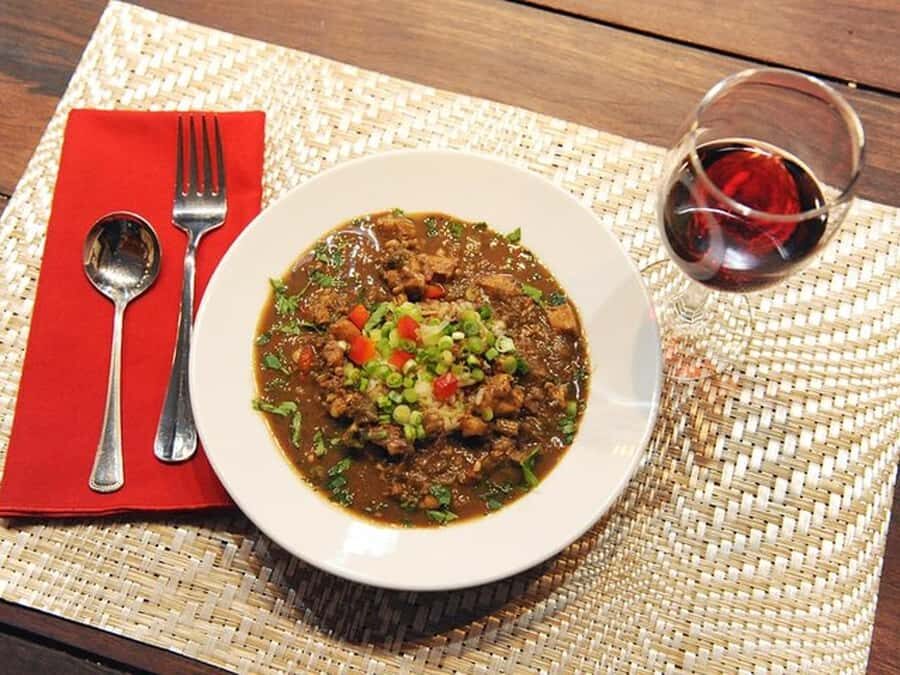
- Gumbo With Chicken and Andouille: Dark Roux and the Flavor Build
- Shrimp Étouffée With Light Roux: A Different Direction, Same Louisiana Method
- Bananas Foster Finale: Dessert That Looks Impressive and Feels Repeatable
- What You Actually Eat and Drink: Included Meal + Complimentary Beverages
- Price and Value: Is $157 Worth 3 Hours of Hands-On Roux Cooking?
- Who This Class Suits Best (And Who Might Feel Out of Place)
- Your Decision Call: Should You Book This Cajun Roux Cooking Class?
- FAQ
- FAQ
- How long is the Cajun roux cooking class in New Orleans?
- What dishes will I learn to make?
- Are drinks included in the class price?
- Is this a small group class?
- Where do I meet for the class?
- Is the class suitable for children?
- Is the class wheelchair accessible?
- What are the cancellation and payment options?
Key Things I’d Prioritize in This Class
- Suite 101 Ground Level in the French Quarter: Straightforward meeting point once you’re already exploring on foot.
- Small Group (Up to 10): More time with the instructor and less waiting around.
- Dark Roux and Light Roux Skills: You learn the roux switch that changes the whole direction of each dish.
- Three Full Dishes, Not Just One: Chicken and andouille gumbo, shrimp etouffee, and bananas foster.
- Chef Energy That Keeps Everyone Involved: Past classes mention music and lots of friendly momentum while cooking.
- Drinks Included With Your Meal: Wine, beer, sodas, and water are part of the class experience.
French Quarter Start: Where You Begin at Suite 101
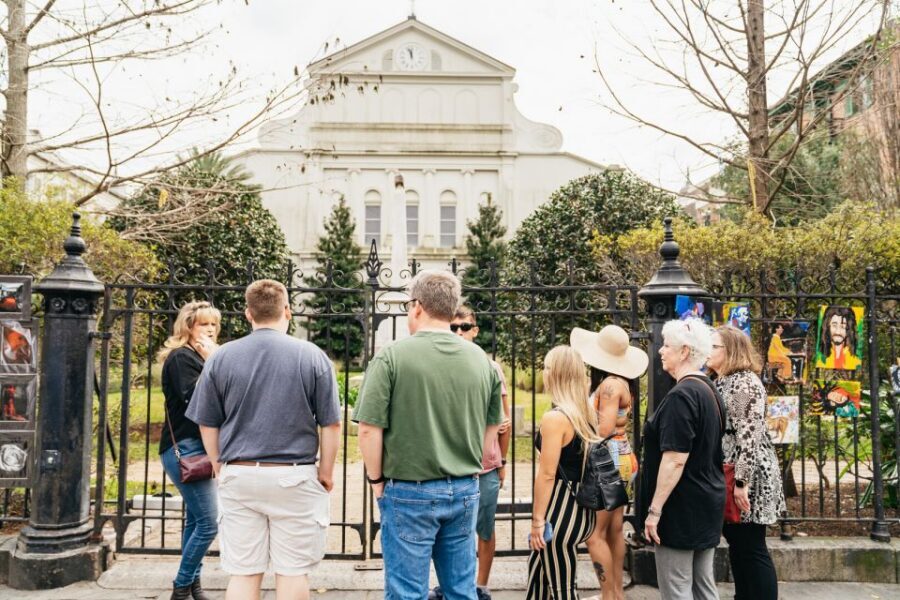
The meeting point is Suite 101 on the ground level in the French Quarter area. For most people, that’s a real advantage: you’re not burning time on complicated transit just to start cooking, and you can plan your day around it instead of around logistics.
Because the class is in the Quarter, you’ll likely feel the surroundings as part of the experience. You’re going from street life to an apron-on, counter-working kitchen vibe, and that contrast is part of why these classes feel memorable. You also get a clear “start line” for the evening: once you’re in, the focus shifts quickly to ingredients, timing, and technique.
If you’re thinking about planning, I’d treat this as a core activity rather than a side stop. The 3-hour duration is long enough to learn properly and eat what you make, so plan your schedule accordingly.
You can also read our reviews of more cooking classes in New Orleans

Small-Group Setup: What the Class Feels Like With Up to 10 People
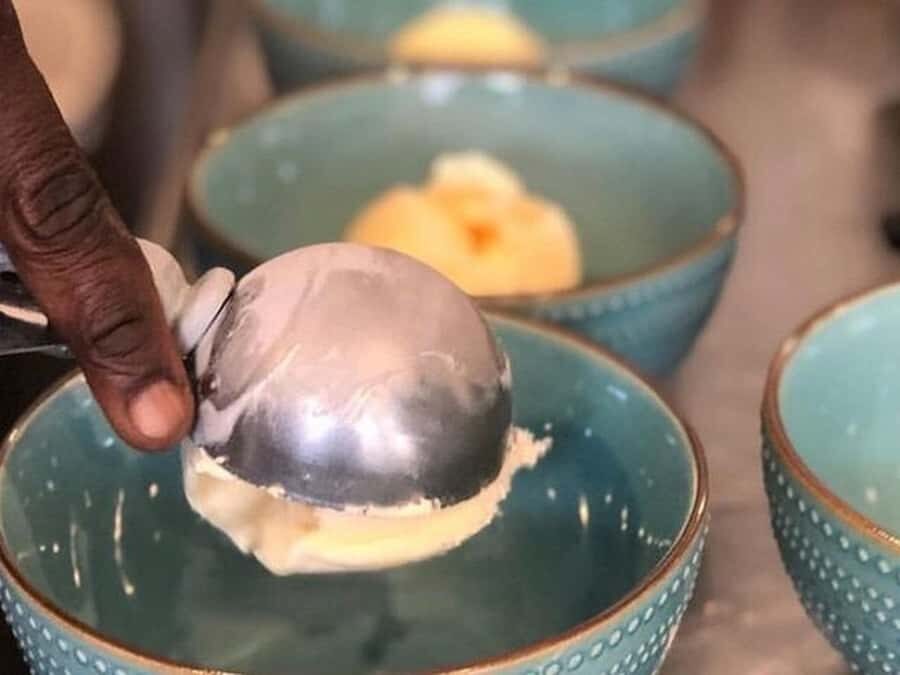
This is a small group class limited to 10 participants, and it shows in the way the teaching is structured. When you’re in a group that size, you’re more likely to get direct attention during hands-on steps like cutting/prepping and cooking the roux.
The instructor is English-speaking, and the class is designed to keep everyone involved. Past classes mention instructors like Chef Raymond, Chef Jason, and Mark leaning into enthusiasm, humor, and clear step-by-step guidance. That matters because roux can feel intimidating if someone just throws you instructions. Here, you’re guided through what you’re doing and why.
One more detail I like: the class includes breaks built around progress. You’re not stuck cooking continuously without a breather, and you’ll start with prep and teaching before you move into the roux stage.
The Cajun Holy Trinity Moment: Why Prep Time Sets Up the Whole Meal
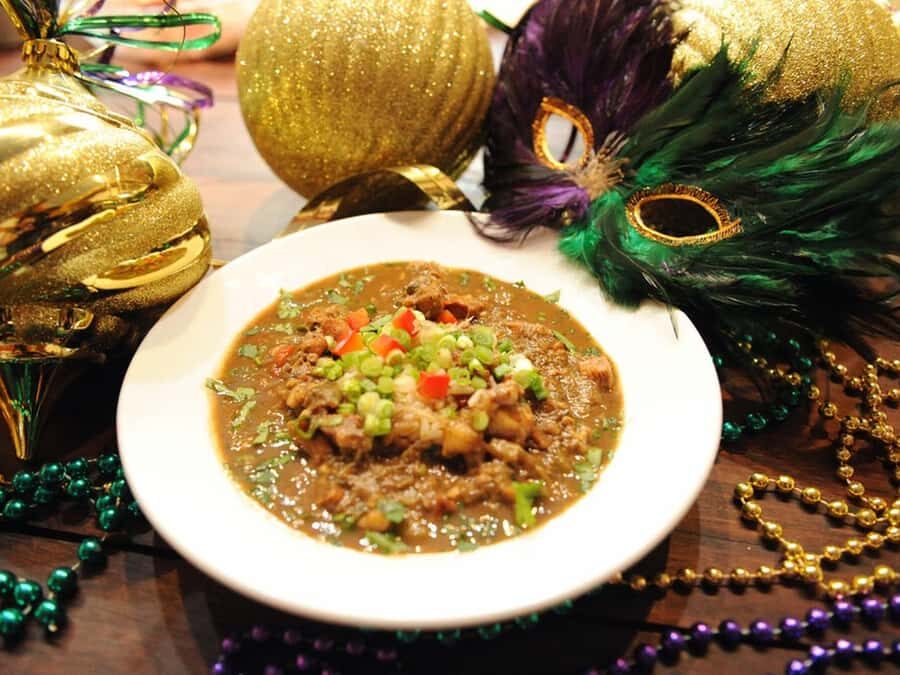
Before you ever hit the stove, you’ll do prep and learn the importance of the Cajun Holy Trinity and why the chop matters. The point isn’t just learning a label—it’s learning that good flavor starts early, before the roux is even finished.
You’ll work through the chopping and prep as a group, with instruction that keeps you moving toward the first major cooking phase. And it’s not only about cutting—it’s about getting ready so you can cook with confidence. The class explicitly uses mise en place, which means everything is lined up so you can focus on the cooking steps rather than scrambling mid-recipe.
If you’re someone who tends to overthink cooking, this part is a relief. You learn the system, then you apply it quickly.
Gumbo With Chicken and Andouille: Dark Roux and the Flavor Build
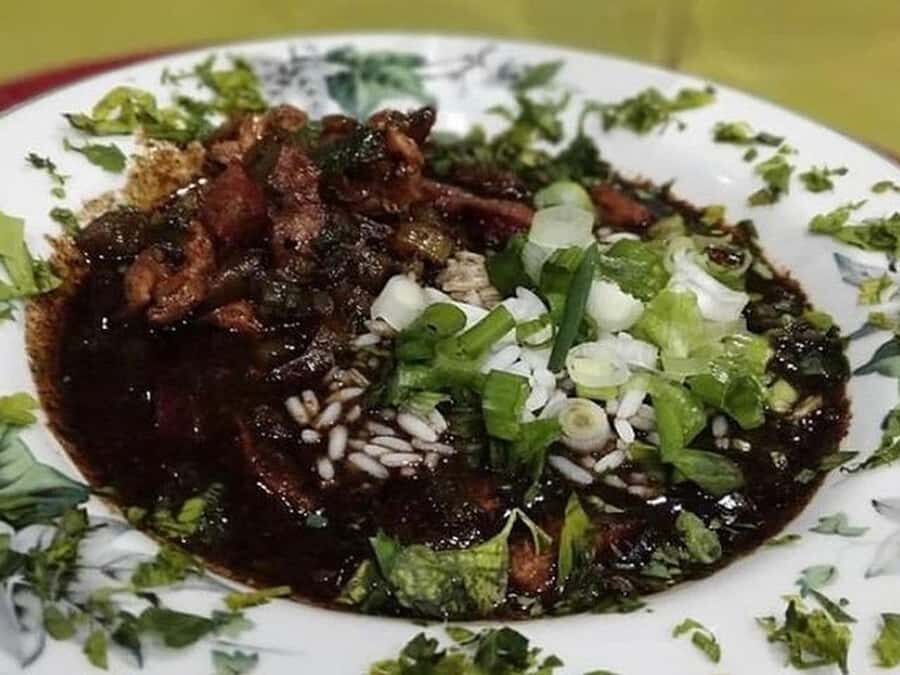
Your first major cooking phase is the gumbo, and it comes with a key skill: making the dark roux. The class routes you from prep into roux, so you get your first real “Louisiana cooking” win early.
Gumbo here isn’t presented as one vague pot of stuff. You’re making a specific combination: chicken and andouille sausage gumbo, with the roux playing the role of base flavor and thickening power.
A smart pacing choice is that you get a break and complimentary drinks before the roux work really ramps up. That’s when you’ll enjoy your first glass of wine as you transition into the more concentrated cooking step. It makes the class feel like a meal experience, not just a workshop.
What you’ll get out of the gumbo portion is practical technique you can reuse. You’ll leave understanding how a darker roux fits the gumbo path and how the class structure guides you from seasoning and prep to cooking and plating.
Shrimp Étouffée With Light Roux: A Different Direction, Same Louisiana Method
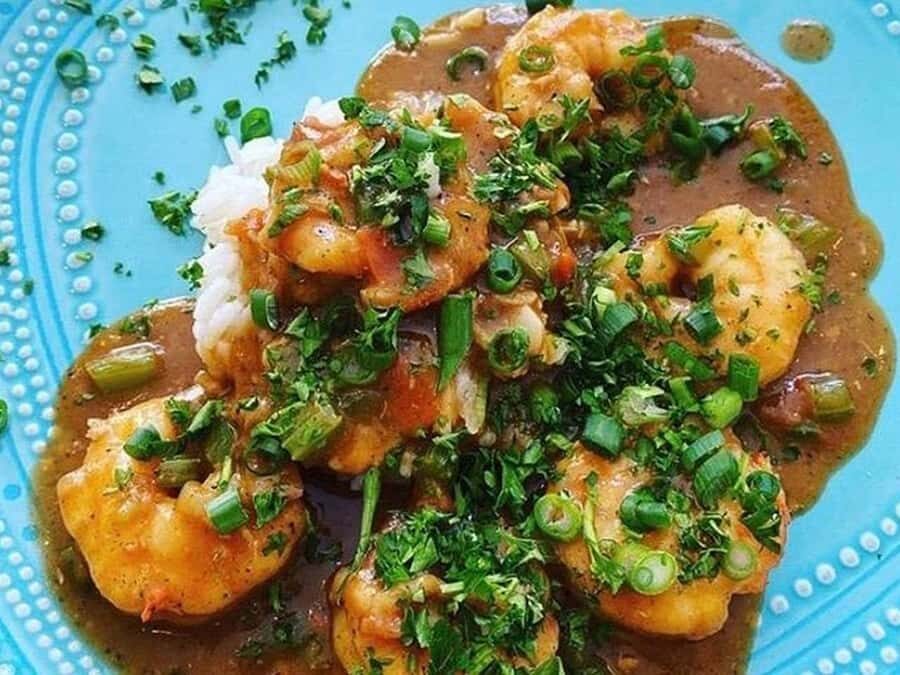
After gumbo, you shift to shrimp etouffee, and the roux changes again—this time it’s a light roux. That contrast is a big part of what makes this class worth your time. You’re not just doing the same method three times. You’re learning how Louisiana cooking changes its base depending on the dish.
In the shrimp etouffee stage, you’ll work through the steps that turn the flavors into a finished plate rather than a simmering pot that might taste great but doesn’t look or serve right. The class is clear about moving from cooking to plating, so you aren’t only tasting and hoping.
Also, the class doesn’t treat etouffee as a mystery dish. The instruction focuses on professional techniques and seasoning secrets, so you’re learning how to manage flavor without guessing.
You can also read our reviews of more tours and experiences in New Orleans


Bananas Foster Finale: Dessert That Looks Impressive and Feels Repeatable
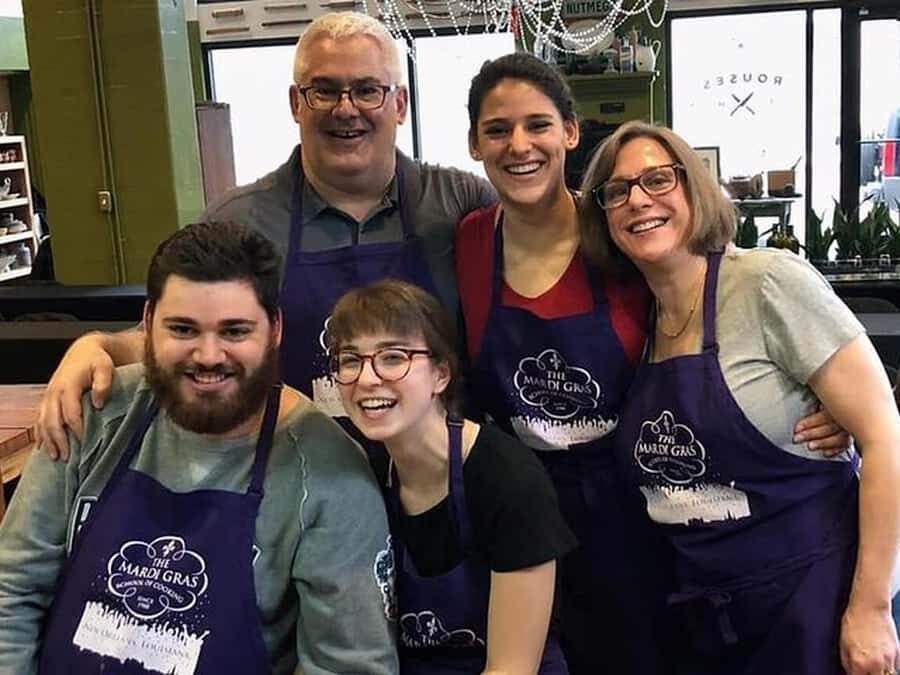
The last part of the class is bananas foster, and it’s also the portion that many people find the most fun. The way it’s taught is described as a fool-proof method, which is exactly what you want if you’ve ever been nervous about desserts that can go wrong fast.
This part works well at the end of a cooking session because it feels like a reward. You’ve already built savory skills with roux-based dishes, and now you’re applying a clear method to a dessert designed to impress.
The practical win here is repetition. When you learn a method that’s explained cleanly, you’re more likely to recreate it at home instead of just remembering that you ate it in New Orleans.
What You Actually Eat and Drink: Included Meal + Complimentary Beverages
This class includes lunch/dinner along with the food you cook. That matters because the “value” of a cooking class isn’t only instruction—it’s also that you’re fed.
On the drink side, you’ll have complimentary wine, beer, sodas, and water during the class, and alcohol is included as part of the experience. The pacing includes an early drink at the transition point before dark roux work, which helps the whole thing feel like you’re settling into the flow rather than rushing into the hardest step right away.
If you’re traveling with other people, this can be a strong plan because everyone leaves with a full plate experience, not just a small tasting portion.
Just plan your day with the understanding that you’ll be eating from what you cook. Come hungry, and don’t schedule something immediate that requires super precise timing right after class ends.
Price and Value: Is $157 Worth 3 Hours of Hands-On Roux Cooking?
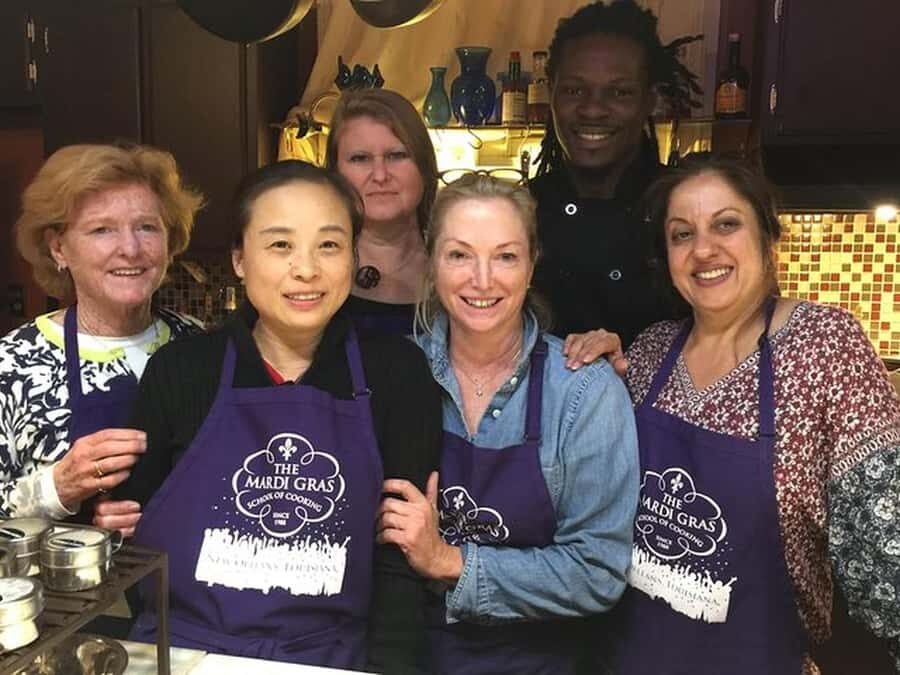
At $157 per person for a 3-hour class, this isn’t a cheap add-on. But it’s priced like a real, guided cooking session that includes a meal and drinks—and that changes the math.
Here’s what you get for that price, based on what’s included:
- Instruction focused on professional techniques and seasoning secrets
- Three dishes: gumbo, shrimp etouffee, and bananas foster
- Lunch/dinner included
- Complimentary alcoholic beverages, plus sodas and water
- Small-group attention (limited to 10)
In practical terms, that’s a lot more than paying for a single tasting. You’re paying for structured learning, active participation, and a completed meal experience where the main ingredients and most of the production are already covered.
If you only want a quick taste of Cajun flavors, there are cheaper options. But if you want to learn the actual cooking mechanics—especially the dark vs light roux shift—this becomes much better value.
Who This Class Suits Best (And Who Might Feel Out of Place)
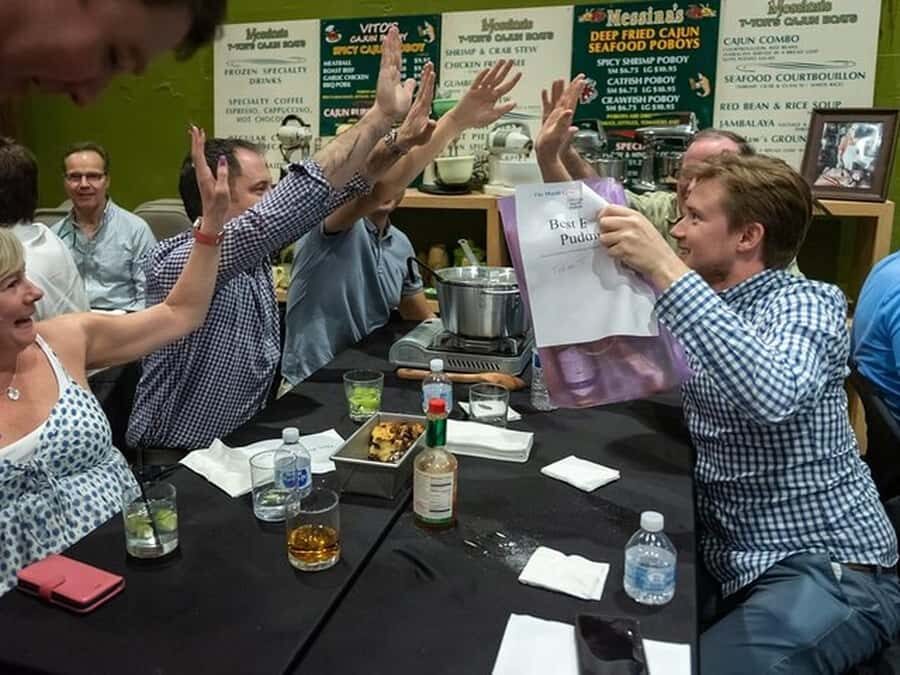
This is best for you if you like cooking, you enjoy technique, and you want to leave with skills you can actually use later. The class also tends to work well for groups of friends because it’s social, hands-on, and paced like a shared meal.
It’s also a strong fit if you want a French Quarter activity that isn’t just walking and waiting. You’re active the whole time, and the structure keeps you engaged: prep, roux, gumbo, etouffee, plating, then dessert.
A key consideration: children under 10 are not suitable. Children over 10 are allowed if they’re willing to participate and love to cook. So if you’re traveling with younger kids, this is probably not the best match.
Your Decision Call: Should You Book This Cajun Roux Cooking Class?
I’d book this class if you want a genuinely hands-on New Orleans food experience where you learn the parts that matter—roux, seasoning, and how each dish’s method leads to a finished plate. The small-group size, English instruction, and included meal/drinks make it a clean “show up, cook, eat, learn” plan.
Skip it if you’re looking for a passive activity or if you’re not interested in cooking steps. At $157, you’ll feel better about the value when you’re actively engaged and ready to participate.
If your goal is to bring home Louisiana skills, not just memories of eating well, this is a smart way to spend a few hours in the Quarter.
FAQ
FAQ
How long is the Cajun roux cooking class in New Orleans?
The class lasts 3 hours.
What dishes will I learn to make?
You’ll prepare chicken and andouille sausage gumbo, shrimp etouffee, and bananas foster.
Are drinks included in the class price?
Yes. The class includes alcoholic beverages, soda/pop, and bottled water.
Is this a small group class?
Yes. It is limited to 10 participants.
Where do I meet for the class?
The meeting point is Suite 101 on the ground level.
Is the class suitable for children?
Children under 10 are not suitable. Children over 10 are allowed if they are willing to participate and love to cook.
Is the class wheelchair accessible?
Yes, the class is wheelchair accessible.
What are the cancellation and payment options?
You can cancel up to 24 hours in advance for a full refund. You can also reserve now and pay later, keeping travel plans flexible.